
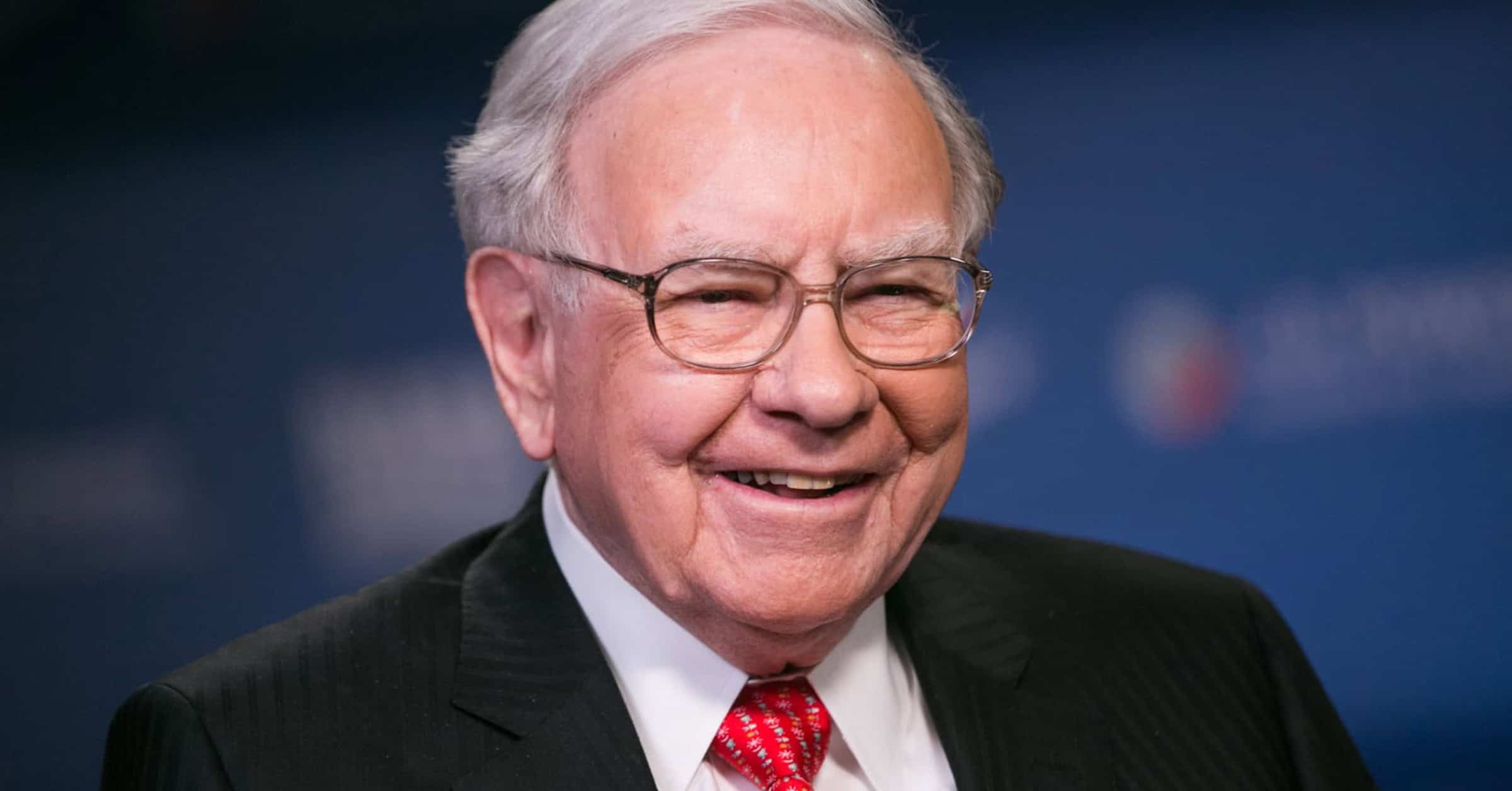

Warren Buffett’s top 10 investments
What are Warren Buffett’s top 10 investments? Warren Buffett has built one of the most closely followed investment portfolios in the world through decades of disciplined, long-term investing. His approach focuses on identifying high-quality businesses with strong competitive advantages, solid financial performance, and the potential to create lasting value.
As one of the most successful investors of all time, Buffett has consistently emphasized patience, financial discipline, and economic moats. As a result, investors around the world study his portfolio to better understand the businesses he has chosen to own and the principles behind those decisions.
In this article, we explore Warren Buffett’s top 10 investments, including both current and historical holdings that have played an important role in his investment journey. These include GEICO, Apple, Coca-Cola, American Express, Bank of America, See’s Candies, BNSF, Wells Fargo, BYD Company, and Occidental Petroleum.
These are not simply Warren Buffett’s top 10 investments, but they represent Warren Buffett’s top 10 investments and provide insight into the types of businesses he has favored throughout his career. Together, these investments highlight his focus on strong businesses, durable competitive advantages, and the power of long-term compounding.
1. GEICO
Buffett’s investment in GEICO is a classic value investment. He stepped in when the company faced serious financial problems. However, he saw strong advantages in its business model.
- Initial Stake: $4.1M in 1976
- Total Gain: ~$60 billion
Why It Worked: GEICO was rescued from near-bankruptcy. Over time, it became a major source of insurance float for Berkshire Hathaway. As a result, the business provided capital for other investments.
2. Apple Inc. (AAPL)
Apple became a major position among Warren Buffett’s top 10 investments. Buffett saw the strength of its brand and customer loyalty. More importantly, he saw the value of its ecosystem.
- Initial Stake: ~$31B between 2016–2018
- Total Gain: Over $90 billion pretax
Why It Worked: Buffett viewed Apple as more than a technology company. Instead, he saw it as a strong consumer business. Its brand loyalty, pricing power, and share buybacks supported the investment.
3. The Coca-Cola Company (KO)
Coca-Cola remains one of Buffett’s most famous holdings. The company has a simple business model and a powerful global brand. Therefore, it fits many of Buffett’s long-term investment principles.
- Initial Stake: $1.3B starting in 1988
- Total Gain: Tens of billions in capital appreciation plus $816M in annual dividends
Why It Worked: Coca-Cola has a strong global brand and pricing power. In addition, its products generate steady demand. As a result, the company has produced consistent cash flow across many economic cycles.
4. American Express Company (AXP)
Buffett’s history with American Express shows his focus on strong businesses. He has often looked for opportunities during periods of market fear. However, the underlying business must remain strong.
- Initial Stake: $1.3B in the 1990s, following earlier positions during the 1960s salad oil crisis era
- Total Gain: Grew past $56 billion in value
Why It Worked: American Express was bought when investor confidence was low. Nevertheless, the company had a strong financial network and loyal customers. Therefore, it became an important long-term Berkshire holding.
5. Bank of America (BAC)
Berkshire Hathaway invested in Bank of America during a period of major financial uncertainty. The transaction provided the bank with important capital. At the same time, Berkshire gained exposure to future equity growth.
- Initial Stake: $5B in preferred stock and warrants in 2011
- Total Gain: Multi-billion dollar windfall
Why It Worked: Berkshire backed a major bank during a period of financial stress. Furthermore, the investment included favorable preferred terms and long-term equity potential.
6. See’s Candies
See’s Candies was acquired alongside Buffett’s late business partner, Charlie Munger. The investment became an important lesson in the value of strong brands.
- Initial Purchase: $25M in 1972
- Total Gain: Generated over $2 billion in pre-tax earnings over time
Why It Worked: See’s Candies showed the value of a strong brand with low capital needs. In addition, the business generated substantial excess cash. That cash could then support other Berkshire investments.
7. Burlington Northern Santa Fe (BNSF)
Buffett’s acquisition of BNSF was a long-term investment in North American infrastructure. Railways play an important role in the movement of goods across the continent.
- Initial Purchase: $34B outright acquisition in 2009
- Total Gain: Massive, steady operational cash flows over decades
Why It Worked: Rail freight is a key part of the U.S. transportation system. Moreover, rail networks are expensive and difficult to replicate. Therefore, they can create strong barriers to entry and steady cash flows.
8. Wells Fargo (WFC)
Buffett invested in Wells Fargo during a period of banking sector stress. He saw value in its deposit base and lending business. At the time, the bank was available at a lower valuation.
- Initial Stake: $290M starting in 1990
- Total Gain: Multi-billion-dollar long-term gain through banking turmoil
Why It Worked: Buffett used banking sector weakness as an opportunity. In particular, he saw value in Wells Fargo’s low-cost deposit base. Over time, the investment generated significant returns.
9. BYD Company
Charlie Munger helped draw Buffett’s attention to BYD. The investment gave Berkshire exposure to Chinese manufacturing and clean transportation.
- Initial Stake: $232M in 2008
- Total Gain: Multi-billion-dollar windfall on Chinese electric vehicles
Why It Worked: BYD had expertise in batteries and electric vehicles. Furthermore, the company developed strong manufacturing capabilities. As electric vehicle adoption increased, the investment generated significant gains.
10. Occidental Petroleum (OXY)
Occidental Petroleum shows Buffett’s interest in energy businesses. The company also provides exposure to major oil assets in the United States.
- Initial Stake: Billions scaled up heavily since 2019
- Total Gain: Current holding valued at over $12 billion
Why It Worked: Occidental has valuable assets in the Permian Basin. In addition, the company has returned capital to shareholders. Its performance also benefits from changes in global energy demand.
Key Takeaways from Warren Buffett’s top 10 investments
Studying Warren Buffett’s top holdings reveals several recurring themes. These include strong competitive advantages, durable brands, efficient capital allocation, and a long-term investment approach.
Economic Moats
- First, durable competitive advantages can help businesses maintain their market positions over time. For example, American Express benefits from its established payments network, while Coca-Cola and Apple benefit from powerful brands and customer loyalty.
- Similarly, BNSF operates in an industry with significant barriers to entry. These characteristics can help businesses defend their positions and generate cash flow over long periods.
Investing During Periods of Uncertainty
- Buffett has also demonstrated a willingness to invest when uncertainty or financial pressure creates attractive opportunities. Berkshire Hathaway’s history includes investments in companies facing significant challenges, including GEICO during its financial difficulties in the 1970s.
- Berkshire also built positions in financial companies during periods of market stress. These investments illustrate the importance Buffett places on business quality, valuation, and long-term potential rather than short-term market sentiment.
Warren Buffett’s investment strategy has always focused on owning high-quality businesses for the long term. The companies discussed in this article are more than simply 10 notable investments. They represent Warren Buffett’s top 10 investments and provide a closer look at the businesses that have earned a significant place in his portfolio.
By examining these investments, investors can better understand the types of businesses Buffett has consistently favored, including companies with strong financial performance, durable competitive advantages, and long-term growth potential. His portfolio continues to offer valuable insight into his approach to investing and the principles that have guided him for decades.